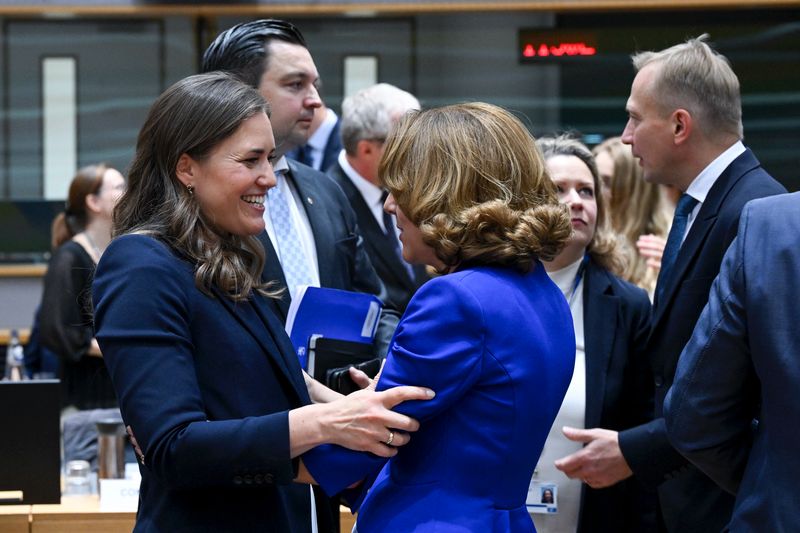
EU General Affairs Council Meeting in Brussels
18 July 2025 News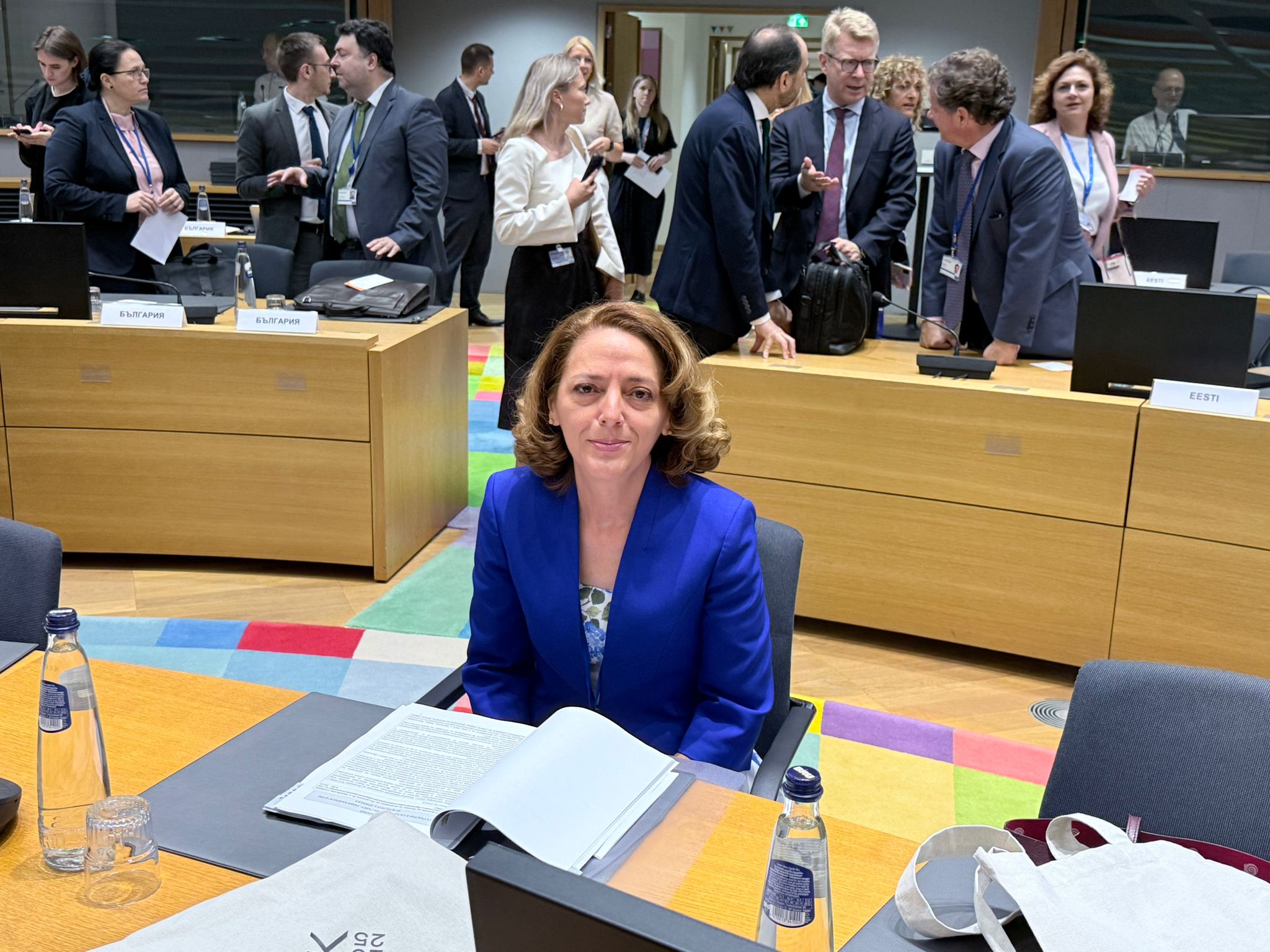
Deputy Minister of Foreign Affairs Ms Elena Shekerletova represented Bulgaria at today’s regular meeting of the General Affairs Council of the European Union, held in Brussels.
The ministers discussed key items on the Union’s agenda, including the draft Multiannual Financial Framework (MFF) for the period after 2027, the legislative simplification programme, and the regulation on language use in the EU.
The European Commission presented its proposal for a new MFF for the period 2028–2034, with a total budget of EUR 2 trillion (equivalent to 1.26% of the EU’s GDP), as well as an additional 0.11% earmarked for servicing debt related to the Next Generation EU (NGEU) instrument. The budget is structured around four main headings:
1. The European social model and quality of life;
2. Competitiveness, prosperity and security;
3. Global Europe;
4. Administrative expenditure.
At the same time, the number of individual programmes will be reduced from 52 to 16.
In her intervention, Deputy Minister Shekerletova emphasised that, for Bulgaria, achieving a balanced approach is of key importance – one that preserves the role of cohesion policy, agriculture, and the management of migration and borders, while also addressing emerging priorities such as competitiveness and defence. She drew particular attention to the importance of financing for less developed regions, support for farmers’ incomes, and fisheries sectors. Bulgaria welcomed as a positive development the proposed tripling of investment in the areas of migration and border management. Discussions on the MFF are expected to continue at future Council sessions.
During the meeting, the Danish Presidency presented progress on the legislative simplification agenda. As of July 2025, the European Commission had tabled six so-called “Omnibus” packages, aimed at reducing administrative and regulatory burdens, with measures covering areas such as sustainable development, agriculture, defence and chemicals.
The Council also unanimously approved the 18th package of sanctions against the Russian Federation. The new measures target sectors such as energy, banking and trade, and are intended to increase economic pressure in response to Russia’s ongoing aggression against Ukraine.
More photos