Minister Georg Georgiev Participates in the Regular Meeting of the EU Foreign Affairs Council
15 July 2025 News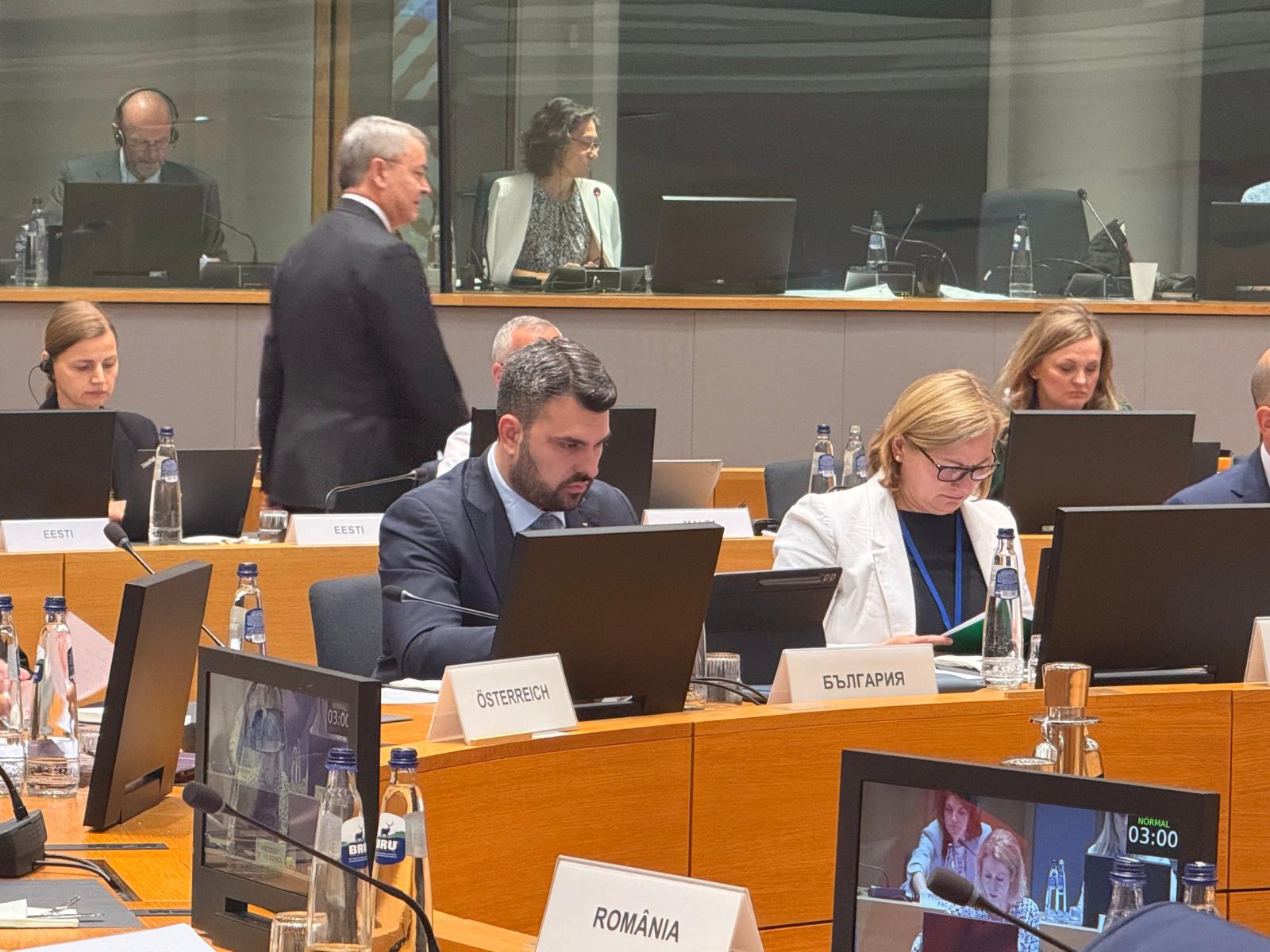
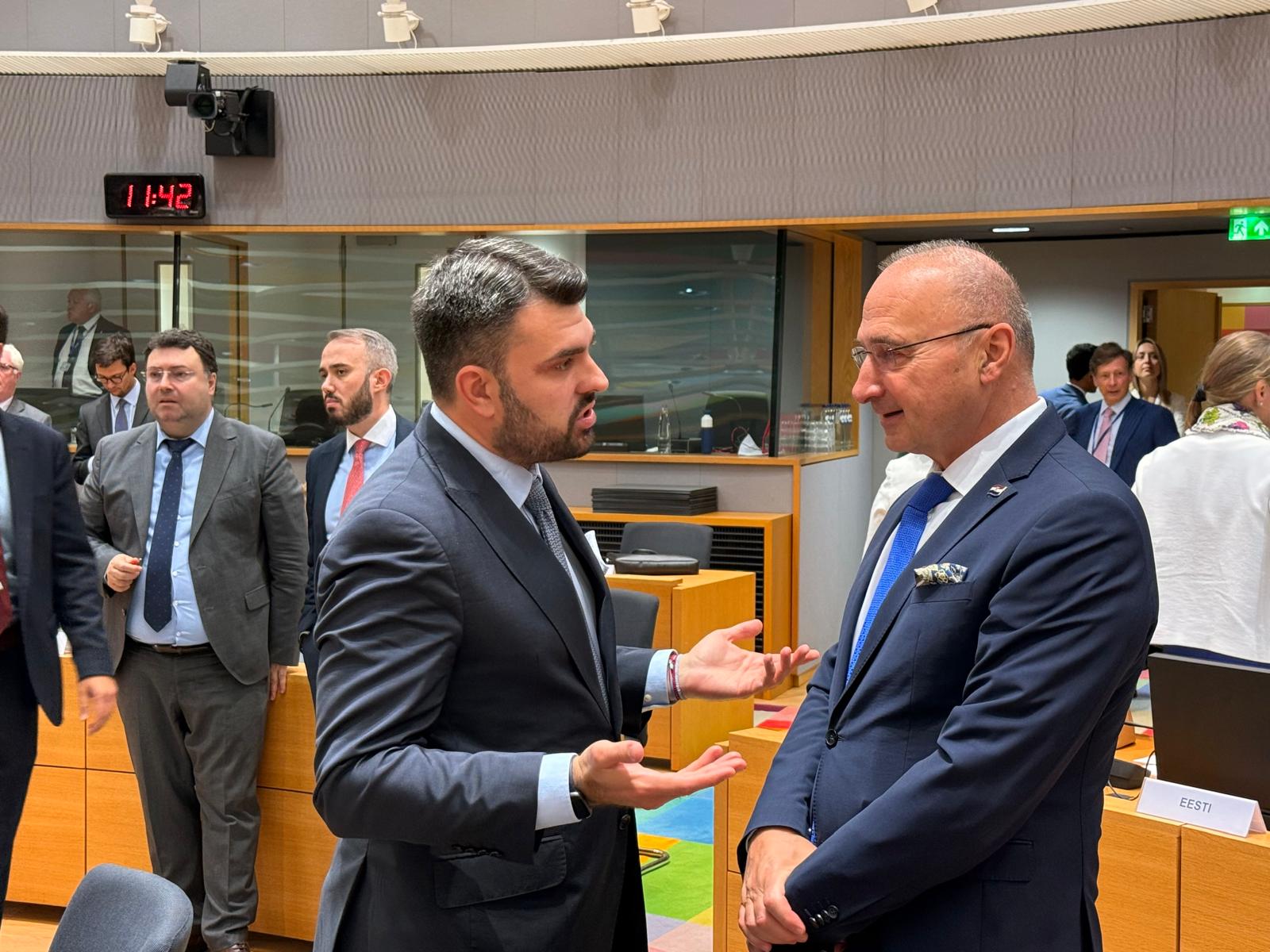
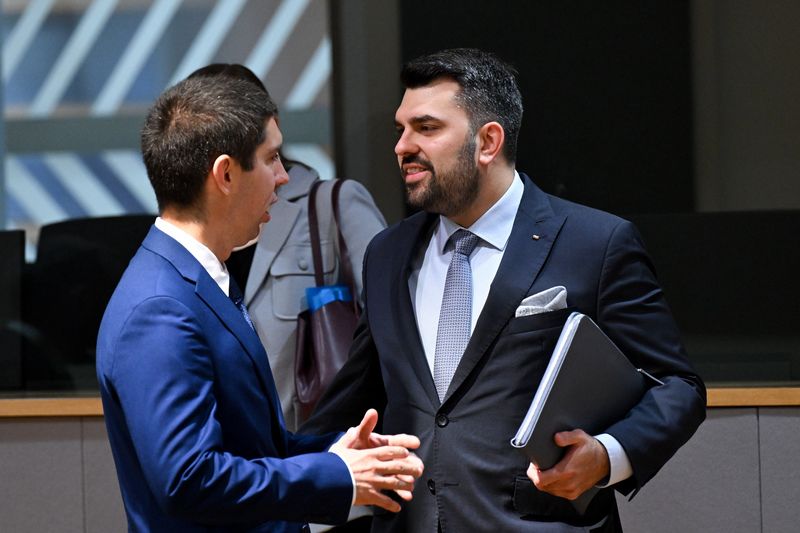
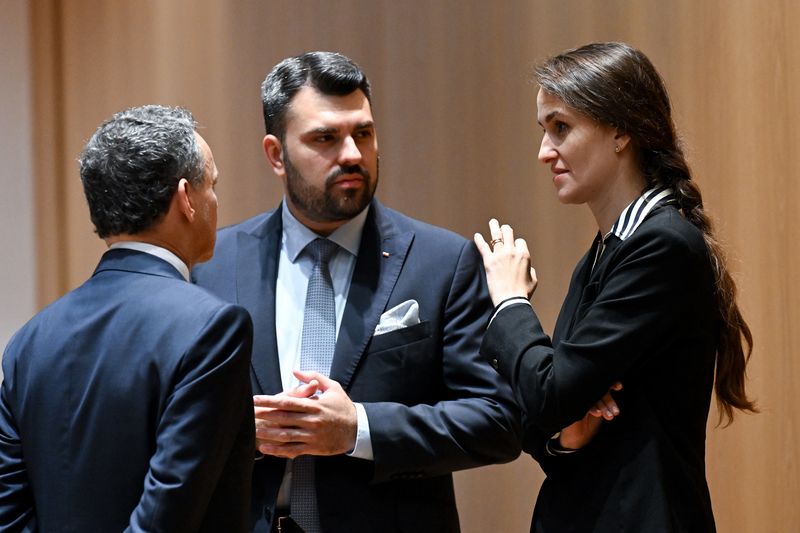
Minister of Foreign Affairs Georg Georgiev took part in the regular monthly meeting of the Foreign Affairs Council of the European Union, held today in Brussels. The foreign ministers discussed a wide range of issues on the EU's foreign policy agenda, including: Russia’s aggression against Ukraine, the situation in the Middle East, developments in Georgia, the future of the Union for the Mediterranean, as well as the EU’s relations with Latin America and other partner countries.
The session began with the traditional video-link participation of the Minister of Foreign Affairs of Ukraine, Mr Andrii Sybiha, who briefed his European colleagues on the latest developments in the country and current diplomatic efforts. In his statement, Minister Georgiev stressed the need to maintain the sanctions regime against Russia and to uphold comprehensive support for Ukraine. He also highlighted the strategic importance of initiatives aimed at enhancing security in the Black Sea region, in which Bulgaria plays an active role.
The Council also addressed the humanitarian situation in the Middle East, including in the Gaza Strip and the West Bank. Among the topics discussed were the review of Article 2 of the EU–Israel Association Agreement and the possibilities for achieving a ceasefire. “In view of the critical humanitarian situation in Gaza, we consider it imperative that all checkpoints be opened to ensure humanitarian aid reaches the civilian population. We welcome the agreements reached on this issue between the EU and Israel,” stated the Bulgarian Foreign Minister. He also emphasised the need for the full and unconditional release of all Israeli hostages as a key condition for achieving a lasting end to the conflict. Minister Georgiev reaffirmed Bulgaria’s full support for the work of the International Atomic Energy Agency (IAEA) in relation to monitoring Iran’s nuclear commitments following the recent escalation of tensions in the region.
EU–Georgia relations were also a key focus of the discussion. The ministers considered possible EU actions in response to the rapid deterioration of the democratic and human rights environment in the country, including the introduction of restrictive measures against individuals responsible for human rights violations. “The developments in Georgia over the past year demand a unified and resolute response from the European Union,” said Minister Georgiev. He underlined that the Georgian people deserve a better European future, and that those responsible for violating civil and political rights must be held accountable.
The future of the Union for the Mediterranean and the ongoing reforms within the framework of the initiative were also reviewed, building on the meeting of EU and Southern Neighbourhood foreign ministers held on 14 July 2025.
More photos