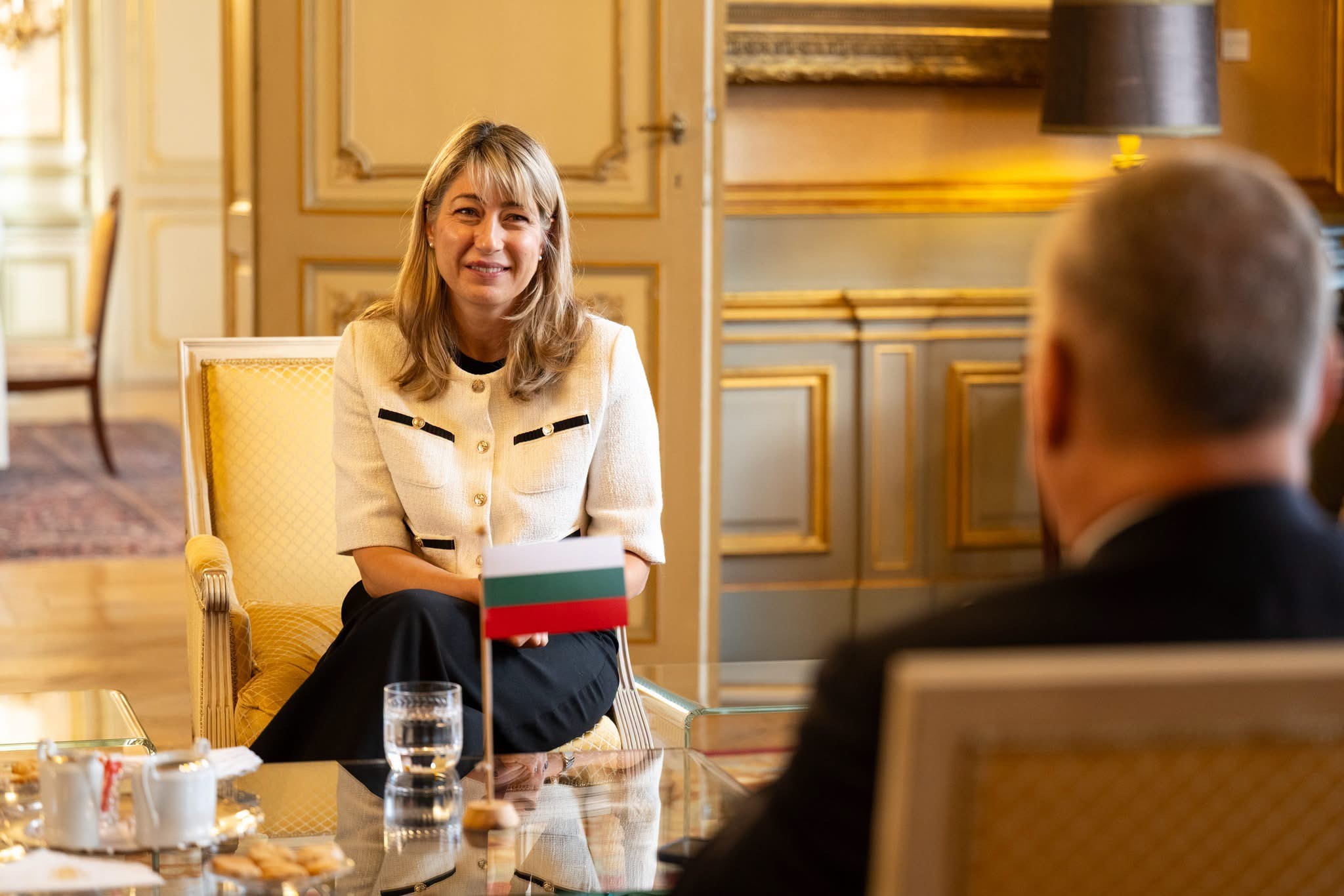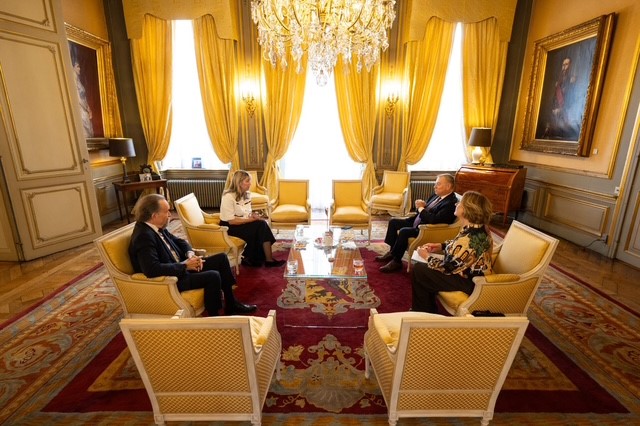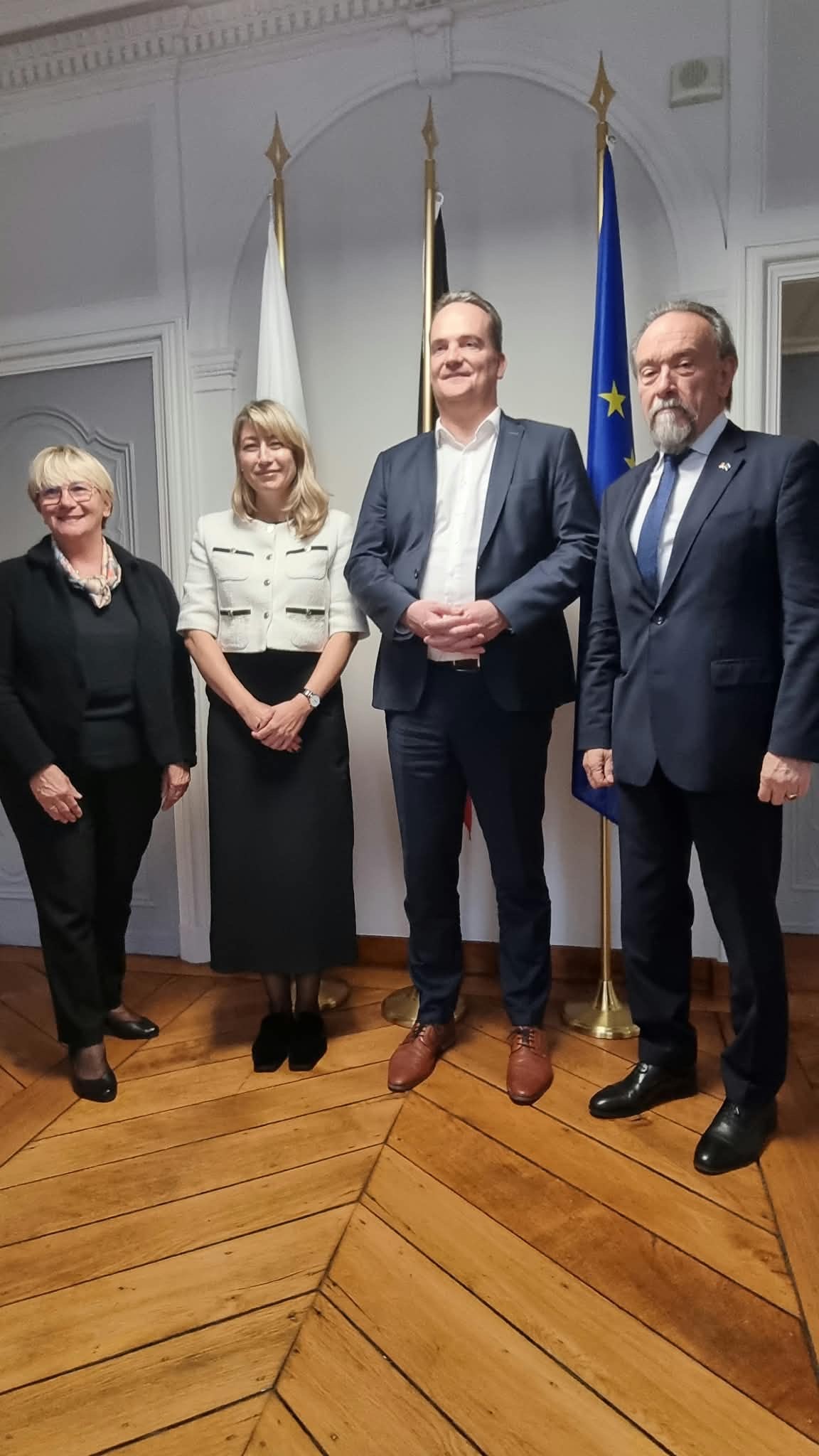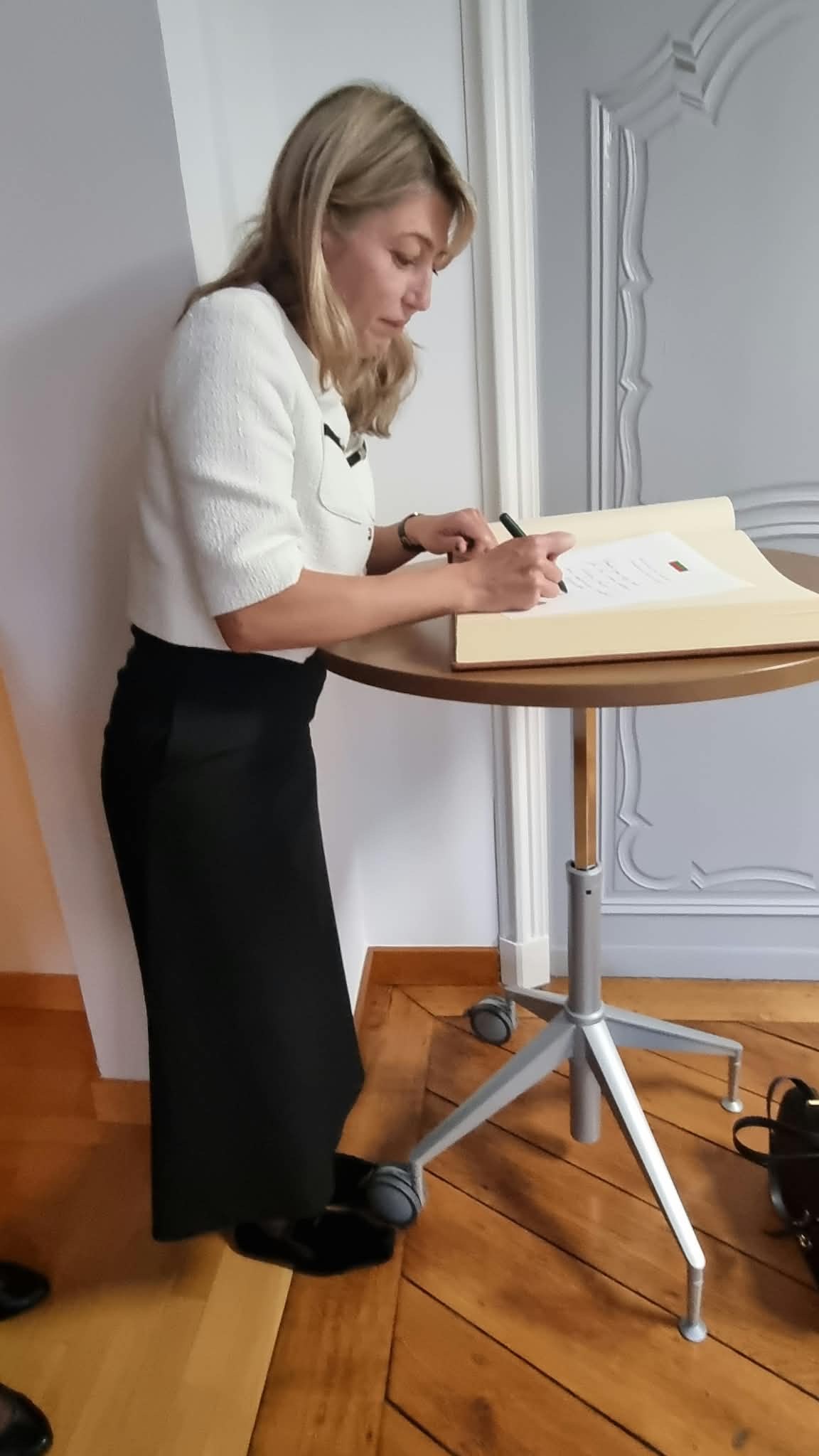
Ambassador Natalia Uzunova met with the Governor of the Province of Namur, Denis Mathen, and with the Minister-President of the German-speaking Community in Belgium, Oliver Paasch
22 October 2026 News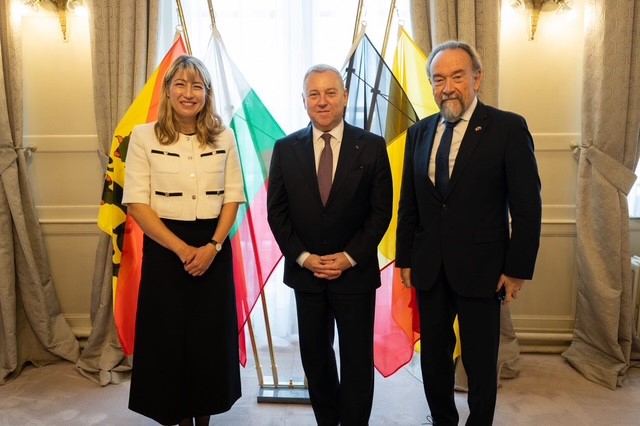
As part of a series of formal meetings aimed at establishing working relationships with the authorities in Belgium’s regions and provinces, on 21 October 2026 the Bulgarian Ambassador to Belgium, Natalia Uzunova, held a meeting in Namur with the Governor of the Province of Namur, Denis Mathen. Later on the same day, in Eupen she met with the Minister-President of the German-speaking Community in Belgium, Oliver Paasch. The Honorary Consul of Bulgaria for Wallonia, Luc Sougné, also took part in both meetings.
The Belgian province of Wallonia plays an important role in Belgium’s economic, cultural and social life, and Governor Matten is a member of the European Association of Regional Governors. Developing links and cooperation with cities and regions in various countries with a view to establishing mutually beneficial partnerships for the benefit of citizens is one of the governor’s key areas of focus. He discussed with the Ambassador, the possibility of representing Bulgaria as a guest of honour at the forthcoming edition of the ‘Days of Wallonia’ Festival, which would provide an excellent opportunity to introduce the Walloon public to the richness of Bulgarian traditions, culture and heritage.
During the meeting with Oliver Paasch, Prime Minister of the German-speaking Community in Belgium, а commitment was made to step up cooperation and create opportunities for meaningful exchanges and people-to-people contacts. The President of the Parliament of the German-speaking Community, which sits in Eupen, Patricia Creutz-Vilvoye also took part in the meeting. A key focus of the discussion was the opportunities for studying in English at Bulgarian universities, specifically in the field of medicine, in which members of the community have expressed interest. The Ambassador outlined the advantages of Bulgarian higher education, including the high quality of medical programmes and the recognition of qualifications within the European Union. The importance of academic cooperation and student exchanges as a foundation for future collaboration was emphasised.
More photos